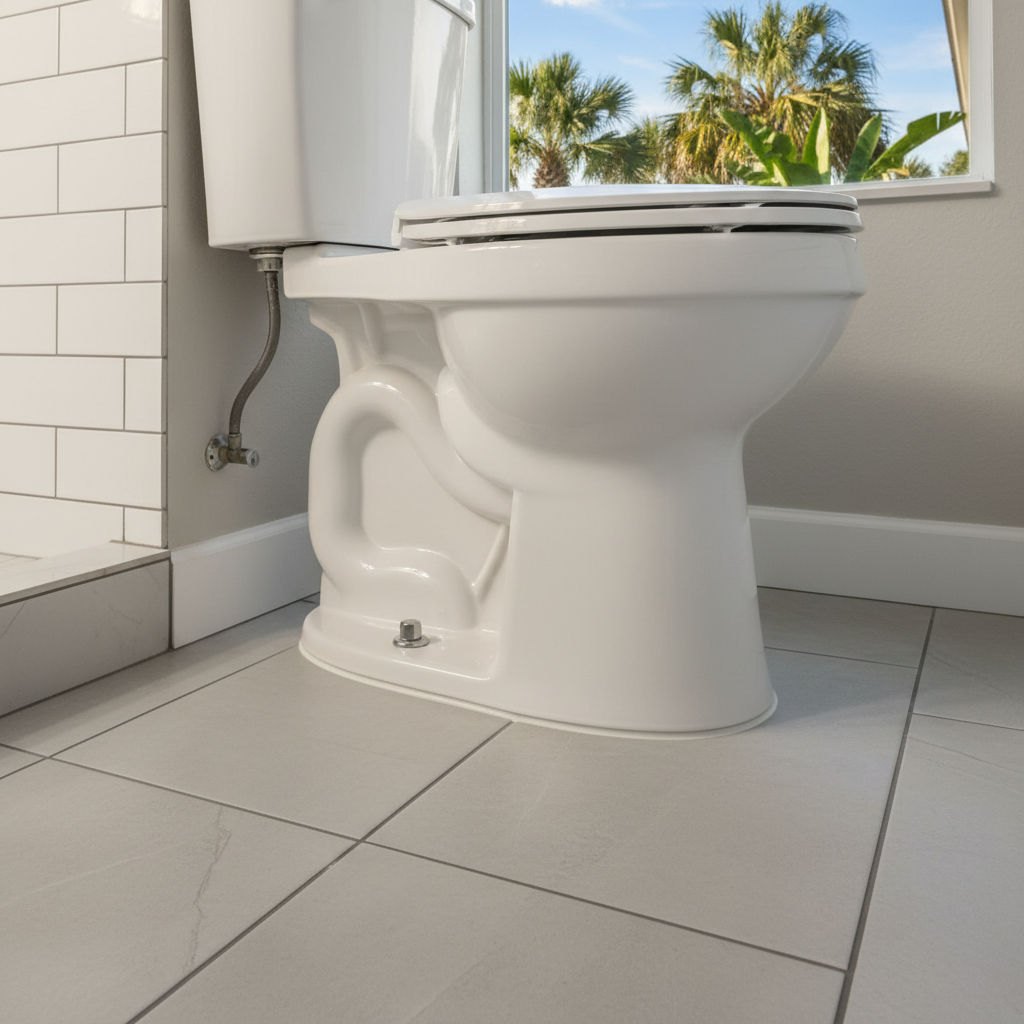
Do I really need a professional for toilet installation? Can't I just DIY it?
Look, I get it. You're handy, you've watched a few YouTube videos, and you think, "How hard can it be?" And for some folks, a basic toilet swap might seem straightforward. But here's the thing: a toilet isn't just a simple fixture. It's connected to your home's water supply and its waste system. Mess that up, and you're not just looking at a leaky toilet; you could be dealing with significant water damage, mold growth, or even sewage backups. I've seen it happen. Folks try to save a few bucks, don't get the wax ring seated right, or overtighten a bolt and crack the tank, and suddenly a small job turns into a big, expensive headache. Especially with our high humidity here in Panama City, any persistent leak can quickly lead to serious issues under your floors or behind your walls. A professional knows the tricks, has the right tools, and can spot potential problems before they become disasters. We'll get it done right the first time, giving you peace of mind.
What's the typical cost for a new toilet installation in Panama City?
This is probably the most common question I get, and it's tough to give a single number because it really depends on a few factors. First, there's the toilet itself. You can find basic models for a couple of hundred bucks, or you can go all out with high-efficiency, comfort-height, or even smart toilets that cost well over a thousand. Then there's the labor. If it's a straightforward swap – old toilet out, new toilet in, no surprises – you're looking at a few hours of work, usually in the range of $200-$400 for labor, not including the toilet. But if we run into issues like a corroded flange, rotten subfloor (which isn't uncommon in older homes around St. Andrews Bay), or if you're relocating the toilet, that's going to add to the cost. We always give a clear estimate before we start any work, so you'll know what to expect from Panama City Bathroom Solutions.
How long does a toilet installation usually take?
For a standard replacement where everything goes smoothly, we can usually get it done in about 1-3 hours. That includes removing the old toilet, cleaning the area, installing the new wax ring and bolts, setting the new toilet, connecting the water supply, and testing for leaks. If we're dealing with an older toilet that's really stuck, or if there are unexpected plumbing issues, it could take a bit longer. But generally, it's not an all-day affair. We try to be as efficient as possible so you can get back to your normal routine.
What kind of toilet should I choose for my home?
There are more options than you might think! It's not just about color anymore. Here are a few things to consider:
- One-piece vs. Two-piece: Two-piece toilets (separate tank and bowl) are generally more affordable and easier to install. One-piece toilets are sleeker, easier to clean, and often more durable, but they cost more.
- Flushing Technology: Most new toilets are high-efficiency (HET) and use 1.28 gallons per flush (GPF) or less. Look for WaterSense certified models to save on your water bill. Some have dual-flush options (less water for liquid waste, more for solid).
- Bowl Shape: Elongated bowls are more comfortable for most adults, while round bowls save space in smaller bathrooms.
- Height: Standard height is about 14-15 inches from the floor to the top of the bowl. Comfort height (or 'right height') is about 16.5-17.5 inches, which is more like a standard chair and easier for many people, especially older adults or those with mobility issues.
- Rough-in Measurement: This is crucial! It's the distance from the wall behind the toilet to the center of the drainpipe (or the bolts that hold the toilet down). Most homes in Panama City have a 12-inch rough-in, but 10-inch and 14-inch exist too. You need to measure this before buying a new toilet.
Think about your budget, your bathroom size, and who'll be using the toilet most. We can help you pick the right one if you're feeling overwhelmed.
My toilet is constantly running. Is that an installation problem or something else?
A running toilet is usually not an installation problem, especially if it's been installed for a while. It's almost always an internal component issue. The most common culprits are a faulty flapper valve (the rubber seal at the bottom of the tank that lets water into the bowl), a fill valve that's not shutting off properly, or a float that's set too high, causing water to constantly overflow into the tank's overflow tube. These are usually pretty easy fixes and involve replacing inexpensive parts inside the tank. If you've just had a toilet installed and it's running, then yes, it could be an installation oversight, like the fill valve being improperly adjusted. But for an older toilet, it's wear and tear on the internal mechanisms.
What should I do to prepare my bathroom before you arrive for installation?
Not much, honestly, but a few things help us get straight to work. Clear out anything from around the toilet area – bath mats, wastebaskets, decorative items. If you have a cabinet or shelving unit right above or next to the toilet, it helps if you can move it or clear off the top so we have room to work. Make sure the path to the bathroom is clear too. If you've already purchased the new toilet, have it unboxed and ready to go if you can manage it. If not, no worries, we'll handle it. Just having a clear workspace makes everything go smoother and quicker for everyone involved.